Comprehensive Analysis of Prepreg Quality Issues: Identification, Causes and Prevention
Apr 11,2026 | CarbonInn Composites
I. Five Major Categories of Prepreg Quality Issues
1.1 Resin Content Deviation – Identification and Control
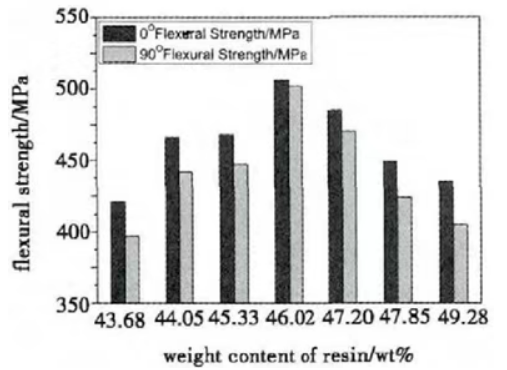
Resin content deviation is the most common prepreg quality issue, with standard deviation controlled within ±2-3% by weight. The main detection method is ASTM D3529, using matrix burn-off or Soxhlet extraction. Primary causes of deviation include unstable impregnation temperature (±5°C change can lead to ±2% content deviation), impregnation pressure fluctuations, and improper fiber tension control.
Effect on mechanical properties: For every 1% deviation in resin content, tensile strength changes by 2-5%, making precise control critically important.
Advanced detection method: In actual production, Near-Infrared Spectroscopy (NIR) technology can achieve non-destructive online detection while simultaneously monitoring resin content, degree of pre-cure, and volatile content.
1.2 Uneven Fiber Distribution – Characterization and Causes
Uneven fiber distribution mainly manifests as fiber orientation deviation, fiber waviness, and fiber entanglement. Technical standards require fiber orientation deviation to be controlled within ±3°, with fiber waviness amplitude <1.1mm. Detection methods include Eddy Current Testing (ECT) and machine vision inspection.
Performance impact: For every 1° increase in orientation deviation from fiber waviness, compressive strength decreases by 3-8%, directly affecting the load-bearing capacity of structural components.
Root causes:
-
Uneven layup pressure (standard pressure 0.2-0.5MPa)
-
Uneven temperature distribution (±5°C temperature difference leading to viscosity variations)
-
Improper fiber tension control
1.3 Abnormal Degree of Cure – Diagnosis and Prevention
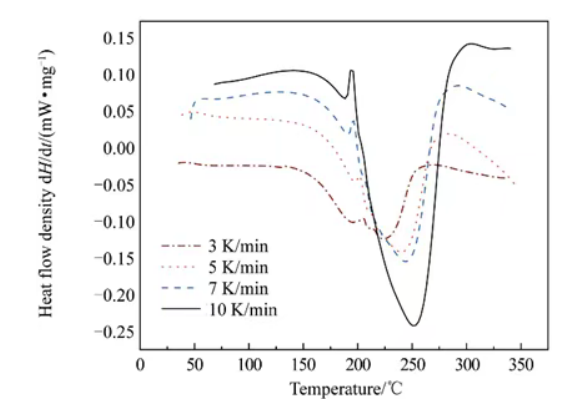
Abnormal degree of cure manifests as either under-cure or over-cure. Initial prepreg degree of cure is typically <5%, while fully cured should be >95%. Differential Scanning Calorimetry (DSC) is the standard method for detecting degree of cure.
Calculation formula: α = (Htot – Hres)/Htot × 100%
Root causes:
-
Improper heating rate (>5°C/min or <1°C/min)
-
Low curing temperature (every 10°C reduction decreases degree of cure by 5-15%)
-
Insufficient holding time
Advanced monitoring: In practical applications, Dielectric Analysis (DEA) technology can achieve non-destructive online monitoring of the curing process.
1.4 Surface Defects – Identification Standards and Detection Techniques
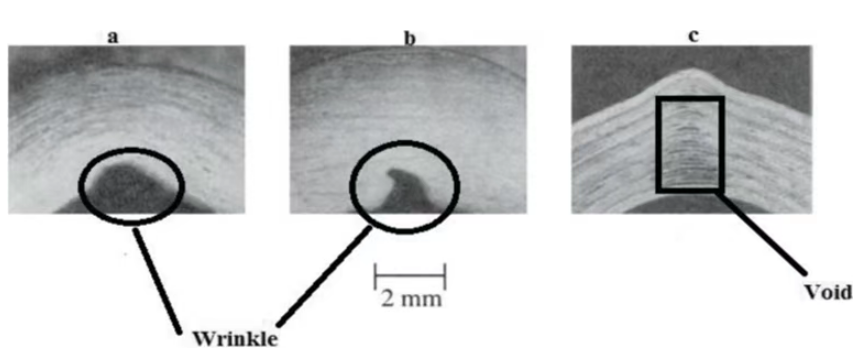
Surface defects mainly include bubbles, wrinkles, and delamination. Technical standards specify:
-
Bubbles with diameter <0.5mm: <5 per cm²
-
Bubbles with diameter >2mm: not permitted
Detection methods:
-
Visual inspection (5-10x magnification)
-
Ultrasonic C-scan
-
Infrared thermography
Primary causes:
-
Bubbles: Insufficient vacuum (<-0.085 MPa) or excessive heating rate causing rapid volatilization
-
Wrinkles: Improper layup tension (deviation >±20%) or complex mold geometry (inner corner radius <5mm)
Critical note: Delamination defects reduce interlaminar shear strength by 40-60% and must be strictly controlled.
1.5 Storage Conditions – Critical Influence on Quality
Improper storage conditions are a significant factor leading to prepreg quality degradation.
Standard requirements:
-
Frozen storage: -18±3°C
-
Short-term storage: 4±2°C
-
Relative humidity: <50% RH
Test method: ASTM D8336-21 specifies tack testing methods for evaluating quality changes during storage.
Environmental effects:
-
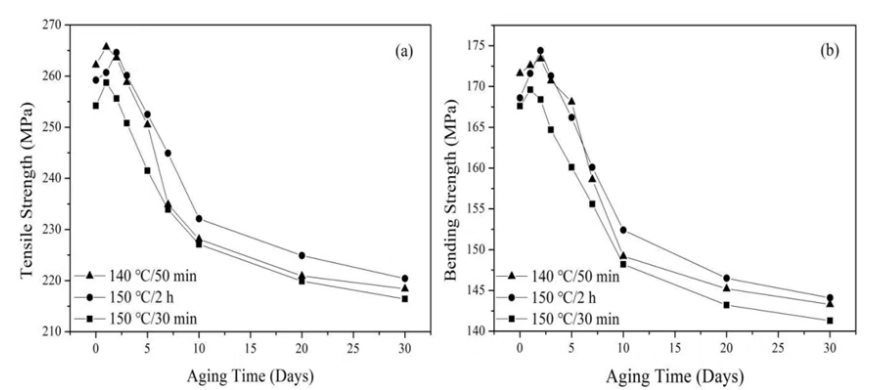
High temperature (>25°C): Accelerates curing reaction – rate increases 2-4× for every 10°C rise
-
High humidity (>65% RH): Moisture absorption – 0.1-0.3% weight gain per day, Tg reduction of 10-20°C
Best practices: Establish a comprehensive temperature/humidity recording system and FIFO (First-In-First-Out) management system.
II. Comprehensive Prevention Measures and Best Practices
Effective quality prevention requires establishing a multi-level control system.
Raw Material Control
-
Suppliers required to pass AS9100 certification
-
Strict incoming inspection standards
Production Process Control
-
Statistical Process Control (SPC) methods
-
Multi-parameter real-time monitoring including:
-
Temperature: ±3°C
-
Pressure: 14±2 Kg/cm²
-
Environmental humidity control
-
Technological Innovation
A multi-sensor monitoring system consisting of:
-
Thermocouples
-
Dielectric sensors
-
Fiber optic sensors
Combined with a data acquisition system for early warning functionality.
Digital Traceability
Establish a complete digital traceability system to ensure quality records from raw materials to finished products.
Conclusion
Prepreg quality management is a systematic engineering task that requires full-chain management from material selection, production control, storage and transportation, to final application.
Key success factors:
-
Standardized inspection processes
-
Precise process control
-
Advanced monitoring technologies
Future direction: With the development of smart manufacturing and Industry 4.0 technologies, AI-based predictive quality management will become the future development direction, providing more precise and efficient solutions for prepreg quality control.
For more professional information, stay tuned to CarbonInn.